

Behaviour6 min read
5 calming strategies that actually work during a meltdown
Practical, evidence-informed tools caregivers can use in the hard moments, without shame.
Read article →A growing library of articles and downloadable resources, behaviour tools, autism and ADHD supports, mental health guidance, developmental disability resources, and community and funding pathways.
Practical, evidence-informed tools caregivers can use in the hard moments, without shame.
Read article →
Reframe challenging moments as messages, and learn to respond with curiosity.
Read article →
A gentle guide to building environments that help neurodivergent children feel regulated.
Read article →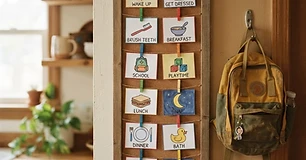
Practical scaffolds that bring predictability and reduce anxiety.
Read article →
Strengths-first strategies that nurture confidence and daily success.
Read article →
Set up environments and rhythms that work with your child's brain.
Read article →
Signs to notice, questions to ask, and where to turn for compassionate support.
Read article →
Calming, evidence-informed ways to support an anxious child.
Read article →
A strengths-based lens on developmental support and advocacy.
Read article →
How to identify and grow the community around your family.
Read article →
An overview of common funding streams, and how to get started.
Read article →
Questions to ask and records to keep.
Read article →A structured, growing collection of mental health and developmental resources, filter by topic and format, then download what your family needs.
16 resources
A fillable worksheet to co-create a personalized calming plan with your child.
Printable visual supports for morning and bedtime routines to build predictability.
A simple log to notice patterns, triggers, and share insights with your support team.
Evidence-informed strategies and calming exercises for children experiencing anxiety.
Signs to notice, questions to ask, and where to turn for compassionate support.
Printable feeling cards to help children name and communicate their emotions.
A gentle guide to building environments that help neurodivergent children feel regulated.
Practical scaffolds for routines and changes that reduce anxiety and build independence.
Set up environments and rhythms that work with your child's brain, not against it.
A strengths-first planning template to nurture confidence and daily success.
A strengths-based journal for tracking developmental progress and advocacy wins.
An overview of developmental support pathways and how to advocate effectively.
A gentle reminder that caring for yourself matters too, with weekly reflection prompts.
A template to identify stress signals and build a sustainable support routine.
An overview of common funding streams in BC, and how to get started.
Questions to ask and records to keep when meeting service providers.
We help families find peer groups, recreational programs, faith communities, and inclusive spaces where children and caregivers feel they belong.
An overview of common funding pathways in BC, and guidance on preparing for conversations with service providers. We do not guarantee funding outcomes.


